
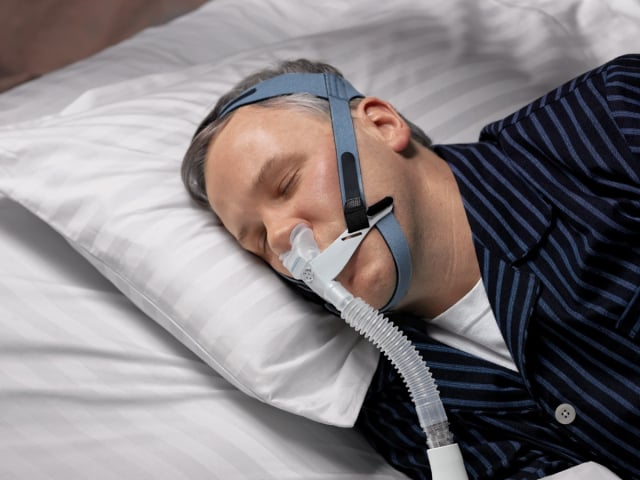
What is a sleep apnea test, and what does it actually measure?
A sleep apnea test checks breathing during sleep to see whether airflow repeatedly stops or drops. It typically measures oxygen levels, breathing effort, airflow, heart rate, and sometimes sleep stages. The goal is to calculate how often breathing events happen per hour and how severe they are.
A sleep apnea test is usually aimed at obstructive sleep apnea (OSA), the most common type, where the airway collapses during sleep.
Should they choose an at-home sleep apnea test or an in-lab sleep study?
Most people start with an at-home sleep apnea test (HSAT) if they have a high likelihood of uncomplicated obstructive sleep apnea. HSAT is convenient, usually quicker to schedule, and often cheaper. It is not ideal for everyone.
An in-lab sleep study (polysomnography) is more comprehensive and is often preferred if they have complex medical issues, suspected central sleep apnea, significant heart or lung disease, neuromuscular disease, opioid use, or if an HSAT comes back negative despite strong symptoms.
How can they tell whether a “sleep apnea test near me” listing is trustworthy?
They should look for medical oversight and clear reporting, not just a device rental. A trustworthy option typically includes a licensed clinician reviewing the data and a formal diagnosis report they can use for treatment.
Good signs include transparent pricing, a clear timeline, and support for next steps such as CPAP setup, oral appliance referral, or follow-up appointments. They should be cautious with vague “instant results” claims without clinician interpretation.
What credentials and affiliations should they look for in a local sleep center?
They should prioritize centers that are associated with a hospital system, a reputable clinic group, or a board-certified sleep medicine physician. If they are considering an in-lab study, they can ask whether the lab is accredited and what scoring standards are used.
For HSAT, they should confirm the test is prescribed and interpreted by a qualified medical professional, not only auto-scored software.
How do they compare at-home testing providers when results look similar?
They should compare what happens after the test, because that is where quality gaps show. The best providers offer a clear interpretation, a discussion of options, and a path to treatment that works with their insurance or budget.
They should also compare device type, shipping or pickup options, replacement policy, and whether the report includes severity grading and treatment recommendations.
What questions should they ask before booking a sleep apnea test?
They should ask these upfront to avoid surprises:
- What type of test is it (HSAT vs in-lab), and why is it appropriate for them?
- Who interprets the results, and will they receive a full written report?
- What is the total cost, including consultation and follow-up?
- How fast is scheduling and turnaround for results?
- What happens if the test is inconclusive or negative?
- Will insurance be billed, and what is the estimated out-of-pocket cost?
- What treatment pathways are offered after diagnosis?
If the provider cannot answer these clearly, they should keep looking.
How can they use reviews without getting misled?
They should scan reviews for patterns tied to medical quality and logistics, not just friendliness. Useful signals include comments about scheduling speed, clarity of instructions, accuracy of equipment, and whether the clinic helped with treatment coordination.
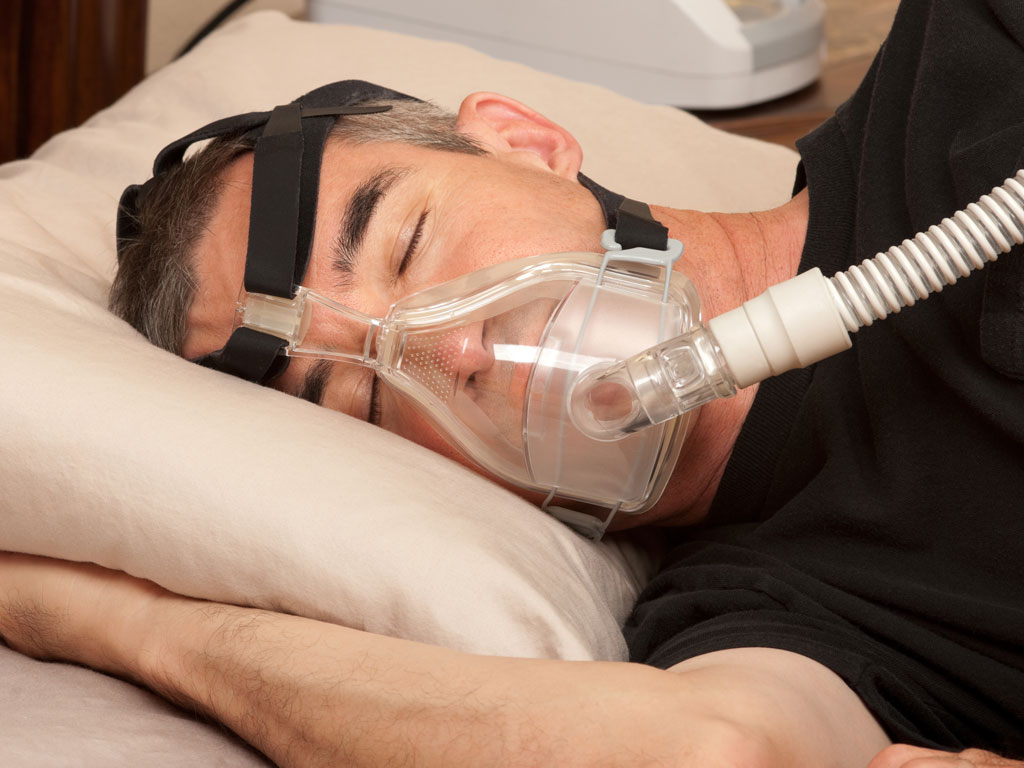
They should be wary of overly generic praise or complaints that are only about billing without context. A few billing issues can happen anywhere, but poor communication and missing reports are bigger red flags. See sleep apnea test options in Australia and how they work.
How much does a sleep apnea test cost near them, and what affects price?
Pricing depends on test type, location, and insurance. HSAT is usually less expensive than an in-lab study, but costs vary based on whether the fee includes a consultation, device, interpretation, and follow-up.
Insurance coverage depends on their plan rules and whether the provider is in-network. They should request a written estimate and confirm CPT codes and billing details if they want the most accurate quote.
How do they check whether their insurance will cover the test?
They should confirm three things: whether the provider is in-network, whether prior authorization is required, and what their deductible and coinsurance mean in real dollars. The clinic can often help, but they should also call their insurer to verify.
If they are offered HSAT through telehealth, they should still confirm coverage, because some plans treat it differently than local in-person testing.
What should they expect on the night of the test?
For HSAT, they usually wear a few sensors at home, follow simple setup steps, and sleep as normally as possible. Most kits track airflow, breathing effort, and oxygen levels. They return the device the next day or ship it back.
For in-lab studies, they sleep overnight at a lab with more sensors, including brain-wave monitoring to measure sleep stages. It is more involved, but it can answer more questions when symptoms are complicated.
What happens after they get results, and how do they pick the right next step?
If results show sleep apnea, the next step depends on severity, anatomy, and preferences. Many people start with CPAP for moderate to severe cases, while some mild cases may consider an oral appliance, weight management support, positional therapy, or addressing nasal obstruction.
They should prioritize follow-up that includes education and a realistic plan, because untreated sleep apnea is linked to higher risks for high blood pressure, heart issues, and accidents from sleepiness.
How can they choose the best option quickly without overthinking it?
They can make a strong choice by matching the test type to their risk level and complexity. If they have classic symptoms and no major complicating conditions, an HSAT with clinician interpretation is often the fastest path. If symptoms are severe, confusing, or paired with significant medical conditions, an in-lab sleep study is usually worth the extra steps.
The best “near me” option is the one that delivers a valid diagnosis, clear results, and a practical treatment pathway they can actually follow.
FAQs (Frequently Asked Questions)
What is a sleep apnea test and what does it measure?
A sleep apnea test checks breathing during sleep to detect if airflow repeatedly stops or drops. It typically measures oxygen levels, breathing effort, airflow, heart rate, and sometimes sleep stages to calculate the frequency and severity of breathing events, primarily targeting obstructive sleep apnea (OSA).
Should I choose an at-home sleep apnea test or an in-lab sleep study?
Most people with a high likelihood of uncomplicated obstructive sleep apnea start with an at-home sleep apnea test (HSAT) due to its convenience, quicker scheduling, and lower cost. However, an in-lab sleep study is preferred for complex medical issues, suspected central sleep apnea, significant heart or lung disease, neuromuscular conditions, opioid use, or if HSAT results are negative despite strong symptoms.
How can I find a trustworthy “sleep apnea test near me” provider?
Look for providers offering medical oversight with licensed clinicians reviewing data and providing formal diagnosis reports. Trustworthy options feature transparent pricing, clear timelines, and support for next steps like CPAP setup or oral appliance referrals. Be cautious of vague “instant results” claims without clinician interpretation.
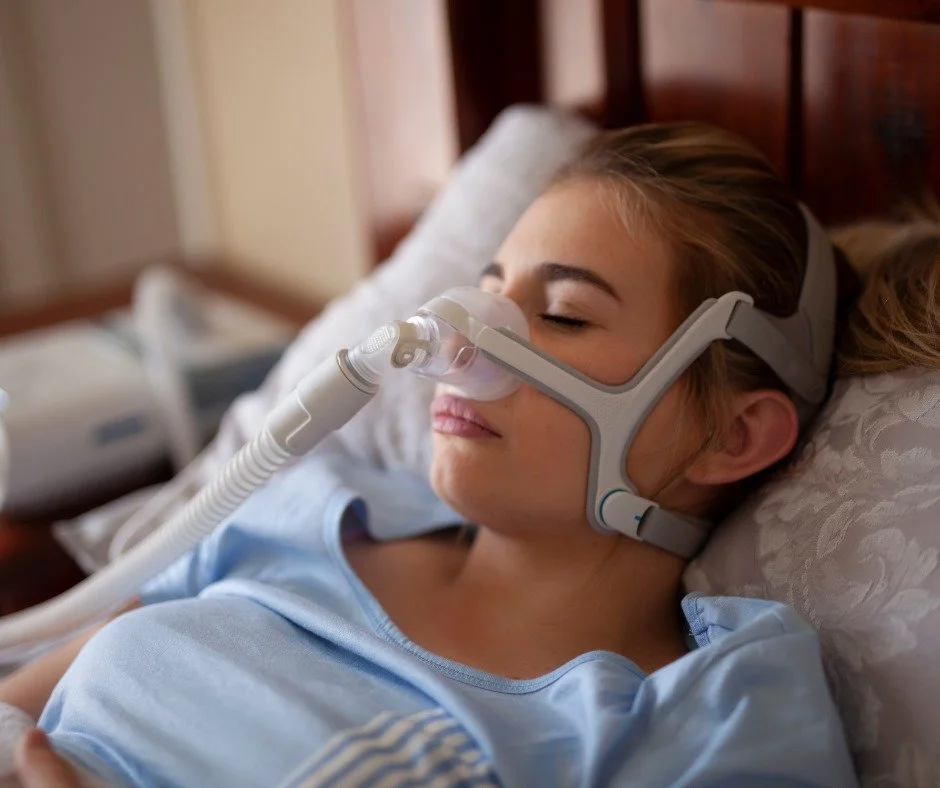
What credentials should I look for in a local sleep center?
Prioritize centers affiliated with hospital systems or reputable clinics and staffed by board-certified sleep medicine physicians. For in-lab studies, ask about lab accreditation and scoring standards. For HSATs, ensure tests are prescribed and interpreted by qualified medical professionals rather than relying solely on auto-scored software.
What questions should I ask before booking a sleep apnea test?
Ask about the type of test (HSAT vs in-lab) and its appropriateness for your case; who interprets results and if you’ll receive a full written report; total costs including consultation and follow-up; scheduling speed and result turnaround; procedures if results are inconclusive or negative; insurance billing and estimated out-of-pocket costs; and available treatment pathways post-diagnosis.
How do I compare at-home testing providers when results seem similar?
Compare providers based on post-test support such as clear interpretation, discussion of treatment options compatible with your insurance or budget, device type, shipping or pickup options, replacement policies, and whether reports include severity grading and treatment recommendations to ensure quality care beyond just the test results.