
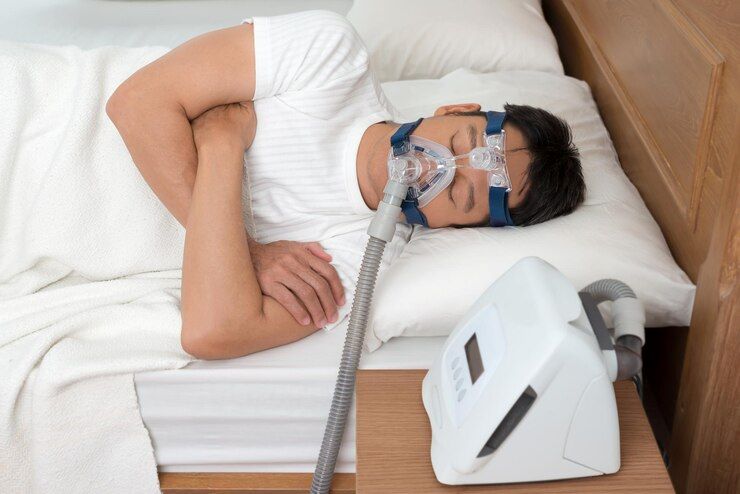
Sleep apnea testing is mainly about confirming whether breathing repeatedly stops or reduces during sleep, and how severe it is. With that information, a GP or sleep specialist can recommend the right treatment, whether that is CPAP, oral appliances, weight management support, or further investigation.
What signs suggest they should consider a sleep apnea test?
A sleep apnea test Australia may be worth considering if they snore loudly, wake up choking, or feel unrefreshed despite a full night in bed. Daytime sleepiness, morning headaches, dry mouth, and poor concentration are also common red flags.
Some people do not realise how disruptive their sleep is until a partner notices gasping or pauses in breathing. If they have high blood pressure, type 2 diabetes, atrial fibrillation, or a higher BMI, testing can be especially relevant because sleep apnea often overlaps with these conditions.
What is the first step to getting a sleep apnea test in Australia?
Most people start with a GP, who assesses symptoms and may use screening tools before recommending a sleep study. They can also check for other explanations, like nasal obstruction, medication effects, insomnia, or restless legs.
From there, the GP may refer them to a sleep physician or arrange a home sleep test through a private provider. If their case looks complex or high-risk, referral to a specialist and an in-lab study is more likely.
What is a home sleep apnea test (HSAT) and who is it for?
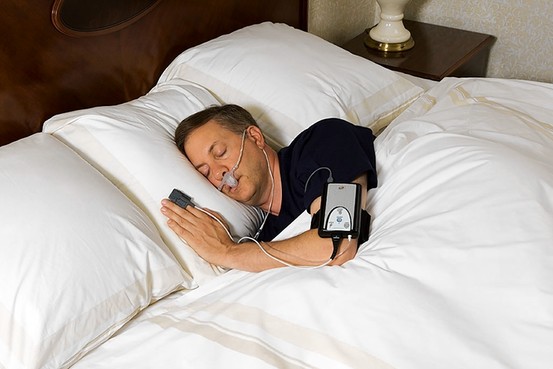
A home sleep apnea test is a simplified sleep study they do in their own bed, typically using a portable device. It usually tracks breathing, oxygen levels, heart rate, and airflow, then produces an index that suggests whether obstructive sleep apnea is present and how severe it is.
HSAT is often suitable when they have a strong suspicion of uncomplicated obstructive sleep apnea. It may not be ideal if they might have other sleep disorders, significant heart or lung disease, suspected central sleep apnea, or if prior home testing was inconclusive.
What is an in-lab sleep study (polysomnography) and when is it needed?
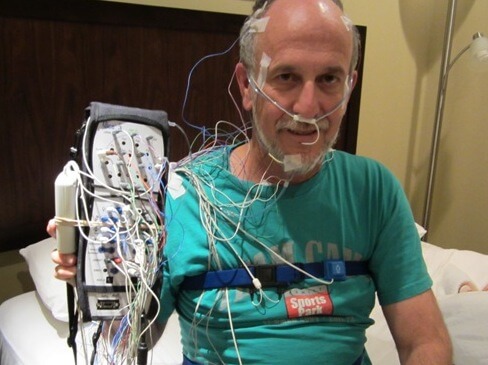
An in-lab sleep study is the most comprehensive test, performed overnight in a sleep clinic with more sensors and monitoring. It can measure brain activity, eye movements, muscle tone, breathing effort, airflow, oxygen levels, limb movements, and heart rhythm.
They may be directed to an in-lab study when symptoms are severe, the diagnosis is uncertain, or other sleep conditions are possible. It is also commonly used when home testing does not match symptoms, or when treatment decisions require more detailed data.
What is a split-night study and why might they be offered one?
A split-night study is a lab test where the first part of the night is used to diagnose sleep apnea, and the second part is used to trial CPAP therapy if apnea is clearly confirmed early. This can reduce delays because diagnosis and initial pressure titration happen in one night.
They may be offered this option when their symptoms strongly suggest moderate to severe obstructive sleep apnea. It is not always appropriate, especially if there is not enough diagnostic data early in the night.
Can they access sleep apnea testing through Medicare in Australia?
They can sometimes access subsidised pathways, but eligibility and out-of-pocket costs vary based on referral type, provider, and setting. A GP referral is often required, and public hospital sleep clinics may have longer waiting times.
Private testing is usually faster but can involve higher fees. They should ask the clinic for an itemised estimate, whether the test is bulk billed, what is included, and whether follow-up interpretation by a sleep physician is part of the package.
What is the difference between public and private sleep clinics?
Public services can be more affordable, but waitlists can be significant depending on location and demand. This pathway may suit those whose symptoms are stable and who can wait for testing and follow-up.
Private clinics and providers often offer faster appointments and home test delivery, with more predictable timelines. The trade-off is usually higher out-of-pocket cost, so it helps if they clarify exactly what they are paying for, including results review and treatment planning. See finding the best sleep apnea testing near you and what to compare.
How much do sleep apnea tests cost in Australia?
Costs vary widely based on test type and provider. Home sleep tests may be priced lower than an in-lab study, but not all home tests include the same level of clinical support, scoring quality, or follow-up.
In-lab polysomnography is typically more expensive because it involves overnight staffing and more complex equipment. They should ask whether costs include the report, a specialist consultation, and any additional nights if the data is incomplete.
How accurate are at-home sleep apnea tests compared to lab studies?
Home tests can be accurate for detecting moderate to severe obstructive sleep apnea in straightforward cases. They are less comprehensive than lab studies because they usually do not measure sleep stages, which can affect how results are interpreted.
Lab studies remain the most detailed option, especially for complex sleep problems or uncertain cases. If a home test is negative but symptoms are strong, a lab study is often the next step rather than assuming nothing is wrong.
What happens after they receive their sleep study results?
They will receive a report that usually includes the apnea-hypopnea index (AHI) or similar metrics, oxygen desaturation data, and notes on snoring and breathing patterns. The interpreting clinician then explains what the numbers mean in plain terms and what severity category applies.
If obstructive sleep apnea is confirmed, the next step is usually discussing treatment options and personal preferences. Many people start with CPAP, while others may explore oral appliances, positional therapy, or targeted lifestyle changes depending on severity and anatomy.
What if their test is inconclusive or they could not sleep during it?
If the data quality is poor or they barely slept, the provider may recommend repeating the test or switching to a different type. Home devices can sometimes come loose, and lab studies can be affected by anxiety or an unfamiliar environment.
They should not ignore persistent symptoms just because one test was unclear. A clinician can review the raw data, consider symptom severity, and decide whether a repeat test, lab study, or broader sleep assessment is the best next move.
How can they choose the right sleep apnea test option for their situation?
They can usually choose faster and simpler home testing when symptoms strongly match uncomplicated obstructive sleep apnea. If their health history is more complex, or symptoms do not neatly fit sleep apnea, a lab study is often more appropriate.
The practical questions are straightforward: how soon they need answers, what they can afford, what level of clinical support is included, and whether follow-up care is built in. A GP or sleep physician can help them match the test to the clinical picture, not just the price tag.
FAQs (Frequently Asked Questions)
What are the common signs that suggest someone should consider a sleep apnea test?
Common signs include loud snoring, waking up choking, feeling unrefreshed despite a full night’s sleep, daytime sleepiness, morning headaches, dry mouth, and poor concentration. Sometimes a partner may notice gasping or pauses in breathing during sleep. Additionally, individuals with high blood pressure, type 2 diabetes, atrial fibrillation, or a higher BMI should consider testing as sleep apnea often overlaps with these conditions.
How do I start the process of getting a sleep apnea test in Australia?
The first step is to visit your GP who will assess your symptoms and may use screening tools to determine if a sleep study is necessary. Your GP can also check for other causes of your symptoms like nasal obstruction or restless legs. Depending on the assessment, they may refer you to a sleep physician or arrange a home sleep test through a private provider. Complex or high-risk cases are more likely to be referred for an in-lab sleep study.
What is a home sleep apnea test (HSAT) and who is it suitable for?
A home sleep apnea test is a simplified study conducted at home using a portable device that monitors breathing, oxygen levels, heart rate, and airflow. It helps detect obstructive sleep apnea and its severity. HSAT is suitable for individuals with a strong suspicion of uncomplicated obstructive sleep apnea but may not be ideal for those with other suspected sleep disorders, significant heart or lung disease, central sleep apnea suspicion, or inconclusive prior home tests.
When is an in-lab sleep study (polysomnography) recommended?
An in-lab sleep study is the most comprehensive overnight test performed in a clinic with extensive monitoring including brain activity and muscle tone. It is recommended when symptoms are severe, diagnosis is uncertain, other sleep conditions are suspected, home testing results don’t align with symptoms, or when detailed data is needed for treatment decisions.
What is a split-night study and why might it be offered?
A split-night study involves diagnosing sleep apnea during the first part of the night and initiating CPAP therapy during the second part if apnea is confirmed early on. This approach reduces delays by combining diagnosis and treatment initiation in one night. It’s typically offered when moderate to severe obstructive sleep apnea is strongly suspected but isn’t always appropriate if early diagnostic data isn’t sufficient.
Can I access subsidised sleep apnea testing through Medicare in Australia?
Subsidised pathways are sometimes available but eligibility and out-of-pocket costs vary depending on referral type, provider, and setting. A GP referral is usually required. Public hospital clinics offer more affordable options but may have longer wait times. Private testing tends to be faster but can involve higher fees. It’s important to ask clinics about bulk billing options, itemised estimates, what’s included in the cost, and whether follow-up interpretation by a specialist is provided.