
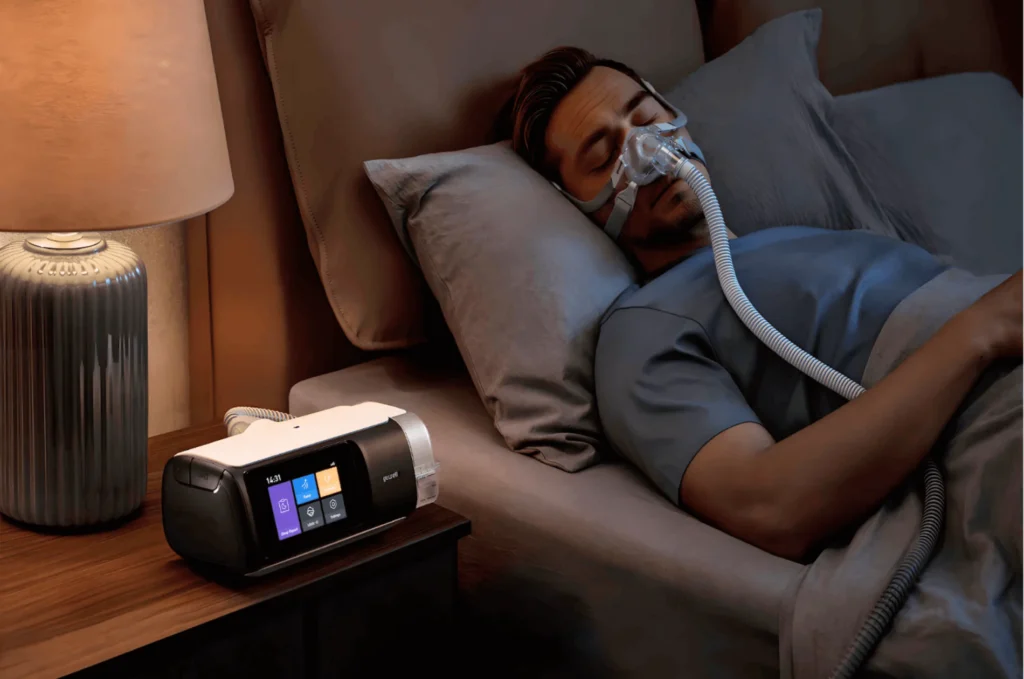
What is a home oxygen machine, and who typically needs one?
A home oxygen machine is a device that delivers supplemental oxygen, usually by concentrating oxygen from room air and sending it through tubing to a nasal cannula or mask. They are typically prescribed for people whose oxygen saturation is consistently low due to conditions like COPD, pulmonary fibrosis, severe asthma, pneumonia recovery, or certain heart conditions.
Most people should not self-prescribe oxygen. The right flow rate and usage schedule usually depend on testing such as pulse oximetry and arterial blood gas results.
What benefits can a home oxygen machine provide?
A properly prescribed home oxygen machine can reduce shortness of breath during routine activities and improve sleep quality for those who desaturate at night. It may also lower strain on the heart, improve exercise tolerance, and reduce complications linked to chronic low oxygen levels.
For many households, the biggest practical benefit is convenience. Concentrators reduce reliance on frequent oxygen cylinder deliveries, especially for steady, long-term oxygen needs.
What types of home oxygen machines are available?
Most people will encounter stationary concentrators, portable concentrators, or cylinder-based systems used as backups. Stationary concentrators are designed for home use, typically provide continuous flow, and are suited for longer daily usage.
Portable oxygen concentrators are designed for moving around and travel, but many provide pulse-dose oxygen rather than continuous flow. Some people need continuous flow, especially during sleep, so portability should be matched to the prescription, not just lifestyle.
How much does a home oxygen machine cost?
Costs vary widely based on device type, oxygen flow requirements, and whether they rent or buy. Stationary concentrators are often less expensive than portable units, while portable concentrators can cost significantly more due to compact design and battery systems.
Ongoing costs can include cannulas or masks, tubing, filters, humidifier bottles, extra batteries (for portables), and electricity. If insurance is involved, they may face copays, rental periods, and documentation requirements.
Does insurance typically cover home oxygen equipment?
Many insurance plans and national health programs cover home oxygen when medical necessity criteria are met, but coverage details differ. They may require qualifying oxygen saturation results, physician documentation, and periodic recertification.
Even with coverage, people may still pay for certain accessories or upgrades. For example, a portable unit may not be covered to the same extent as a stationary system, or it may require additional justification.
What is involved in setting up a home oxygen machine safely?
Safe setup usually starts with placing the concentrator in a well-ventilated area with clearance around vents, away from walls, curtains, and heat sources. The tubing should be routed to reduce tripping hazards, and the power source should be reliable, ideally without extension cords unless approved by the supplier.
Fire safety is non-negotiable. They should keep oxygen away from smoking, open flames, gas stoves, candles, and sparks, and follow the supplier’s guidance on safe distances and signage.
How do they choose the right flow setting and equipment?
The flow setting should match the prescription, which typically specifies liters per minute and whether oxygen is needed continuously, during exertion, or at night. They should not change flow rates without clinical guidance, because too little may be ineffective and too much can be risky for certain patients.
Interface choice matters too. A nasal cannula is common for comfort, while masks may be used for higher needs or mouth breathing. Some users also need humidification to reduce nasal dryness, especially at higher flow rates.
What maintenance and troubleshooting should they expect?
Most concentrators require simple routine care: cleaning or replacing filters on schedule, checking tubing for kinks, and keeping the intake free of dust. They should also replace cannulas and tubing periodically for hygiene and performance.
Common issues include low-flow alarms, overheating from blocked vents, and poor oxygen delivery due to leaks or clogged filters. When alarms persist, they should contact the equipment provider rather than attempting internal repairs.
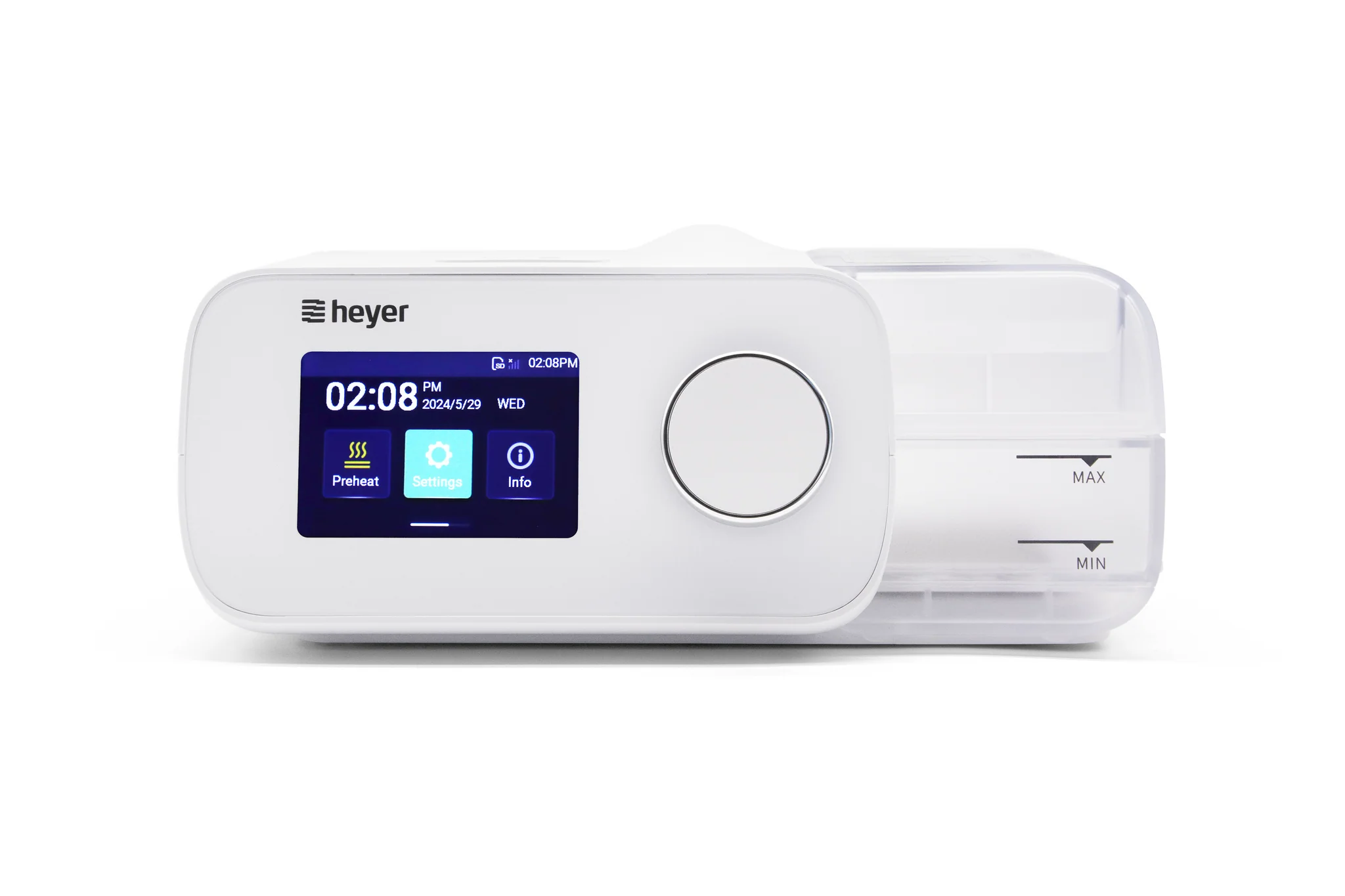
What practical tips make daily use easier at home?
A long tubing run can help users move room to room, but it should be managed to reduce tangles and falls. Many households use tubing guides or keep pathways clear to prevent tripping.
Backup planning is also key. They should know what happens during a power outage, whether they have backup cylinders, and how to contact their oxygen supplier after hours. If they travel, they should confirm airline and destination requirements well in advance.
What should they ask their clinician or supplier before starting?
They should confirm the exact prescription details, including flow rates for rest, activity, and sleep, plus whether continuous flow is required. They should also ask about expected target oxygen saturation ranges, when to use a pulse oximeter, and what symptoms require urgent care.
From the supplier, they should ask about device warranty, service response times, included accessories, filter schedules, alarm meanings, and power outage backup options. Clear answers up front prevent most home oxygen headaches later.
Related : Oxygen Concentrator Machine: How It Works and Why It’s Used