
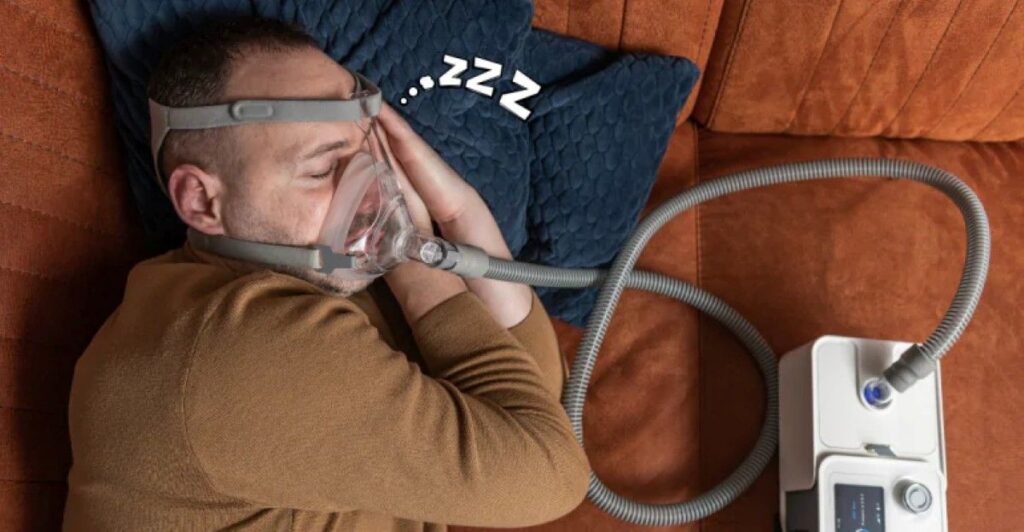
Unlike oxygen cylinders that store a finite supply, concentrators continuously produce oxygen as long as they have power and airflow. That difference is the reason many care teams choose them for long-term oxygen therapy.
What is an oxygen concentrator machine?
An oxygen concentrator is a medical device designed to separate oxygen from ambient air and deliver it to the user. They typically deliver oxygen through nasal cannula tubing or, in some cases, a mask. For users looking to explore reliable home and portable solutions, you can check out more about trusted oxygen concentrator machines from leading Australian suppliers here, which offer a range of professional-grade options for different therapy needs.
Most concentrators are built to provide a prescribed flow rate, often measured in liters per minute (LPM). Their output is not “pure oxygen,” but it is substantially enriched compared to normal air.
How does an oxygen concentrator work?
They work by pulling in room air, filtering it, and separating oxygen from nitrogen. The machine then delivers the concentrated oxygen to the user at a controlled flow.
The core process relies on a method called pressure swing adsorption (PSA). In simple terms, the concentrator uses pressure changes and special materials to trap nitrogen so oxygen can pass through.
What is pressure swing adsorption (PSA), and why does it matter?
PSA is the technology that makes most modern concentrators possible. It uses zeolite sieve beds, which preferentially adsorb nitrogen when air is pressurized.
They typically contain two sieve beds that alternate. While one bed is adsorbing nitrogen under pressure, the other is depressurizing and releasing the trapped nitrogen back into the room, allowing continuous oxygen delivery.
What are the main parts inside an oxygen concentrator?
They usually include an air intake, filters, a compressor, sieve beds (zeolite columns), valves, a product tank, flow controls, and sensors/alarms. Each part supports either air preparation, oxygen separation, or safe delivery.
Filters reduce dust and particulates, protecting the compressor and sieve beds. The flowmeter and oxygen outlet regulate what the user receives, while alarms help detect issues like low oxygen concentration, overheating, or power loss.
What oxygen concentration and flow can they provide?
Most home concentrators are designed to deliver enriched oxygen commonly around 90% plus or minus a few percentage points, depending on the device and settings. The prescribed flow rate often ranges from 1 to 5 LPM, though some stationary units go higher.
They should not assume “higher flow” always means “better.” The right setting depends on a clinician’s prescription and measured oxygen saturation targets.
Why are oxygen concentrators used?
They are used to provide supplemental oxygen for people whose lungs cannot maintain adequate oxygen levels. Their goal is to improve oxygen saturation, reduce breathlessness in appropriate cases, and support organ function by ensuring enough oxygen is available in the bloodstream.
They are common in chronic respiratory conditions and during recovery when a clinician determines oxygen therapy is medically necessary.
Who typically needs an oxygen concentrator?
They are often prescribed for people with chronic obstructive pulmonary disease (COPD), interstitial lung disease, pulmonary fibrosis, or other causes of chronic hypoxemia. They may also be used for certain heart conditions or after serious respiratory infections when oxygen levels remain low.
The decision is usually based on oxygen saturation readings, arterial blood gas tests, symptoms, and clinical guidelines, not just shortness of breath alone.
How are oxygen concentrators different from oxygen cylinders?
Concentrators generate oxygen from air, while cylinders store oxygen under pressure. That means concentrators can run continuously with electricity, whereas cylinders eventually empty and require refilling or replacement.
Cylinders can be useful for backup, transport, or high-flow needs in some settings. Concentrators are often chosen for day-to-day therapy because they reduce dependence on supply logistics.
What’s the difference between portable and stationary concentrators?
Stationary concentrators are typically larger, plug-in units intended for home or facility use, and they often support higher continuous flows. Portable oxygen concentrators (POCs) are smaller and built for mobility, but many rely on pulse-dose delivery rather than continuous flow.
They should confirm whether a portable unit meets their prescribed oxygen needs, especially during sleep or exertion, because not every POC is suitable for every prescription.
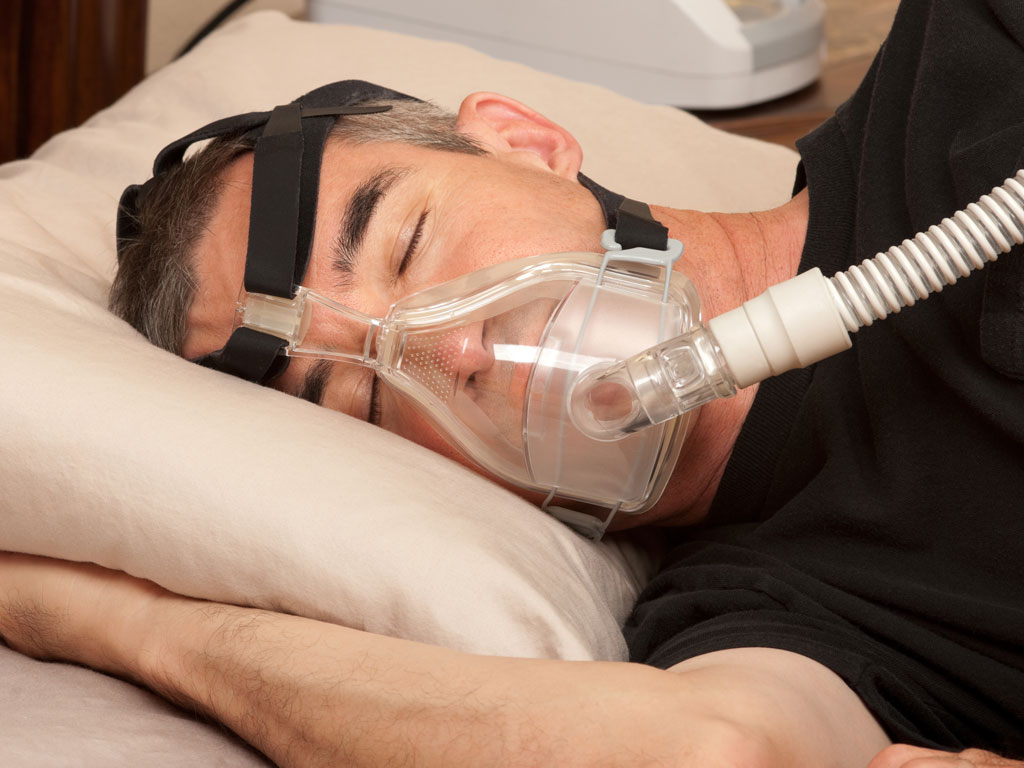
What are continuous flow and pulse-dose delivery?
Continuous flow means oxygen is delivered at a steady rate regardless of breathing. Pulse-dose means the device senses inhalation and delivers oxygen in bursts.
Pulse-dose can extend battery life in portable units, but it depends on reliable breath detection. They should be assessed for suitability during sleep, mouth breathing, or shallow breathing, where triggering may be less consistent.
What safety and maintenance steps do they usually require?
They typically require regular filter cleaning or replacement, keeping vents unobstructed, and using the device in a well-ventilated area. Many units also need periodic servicing to maintain oxygen concentration and compressor performance.
They should keep concentrators away from flames and smoking, since oxygen-enriched environments increase fire risk. Humidifier bottles, if used, should be cleaned properly to reduce contamination risks.
When should they seek medical advice or troubleshooting?
They should contact a clinician if oxygen saturation remains low despite prescribed settings, if symptoms worsen, or if they feel dizzy, confused, or unusually short of breath. They should also seek help if alarms indicate low oxygen purity, overheating, or abnormal pressure.
They should not change prescribed flow rates without medical guidance. If a device seems to be working but outcomes are worsening, the underlying issue may be clinical rather than mechanical.
More to Read : Home Oxygen Machine: Benefits, Costs, and Setup